Bayswater station last mile removals advice

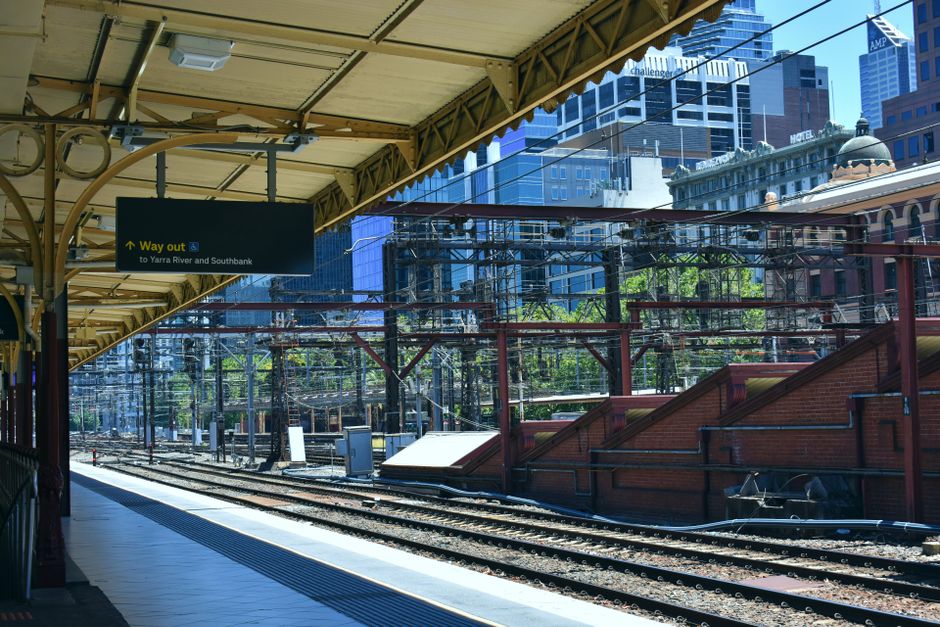
If you are moving a flat, office, or single room near Bayswater station, the last few hundred metres can make or break the day. Bayswater station last mile removals advice is really about that awkward final stretch: narrow streets, busy pavements, stairwells, parking pressure, and the simple problem of getting boxes, furniture, and fragile items from the van to the front door without wasting time or energy. It sounds small. It rarely is.
In practice, this is where many removals feel harder than they should. A move can look perfectly organised on paper, then get slowed by a lift that is smaller than expected, a hallway with tight corners, or a van that cannot stop exactly where you hoped. The good news? With the right plan, the last mile becomes manageable, even calm. Below you will find a practical guide to how it works, what to watch for, and how to make the whole handoff near Bayswater station far less stressful.
Why Bayswater station last mile removals advice matters
Last mile removals is the part of the job most people underestimate. You may have already booked the van, packed the boxes, and labelled everything neatly, but the final transfer from vehicle to property is where delays, damage, and frustration tend to appear. Near Bayswater station, that final stretch matters even more because local access can be tight and timing can be unforgiving.
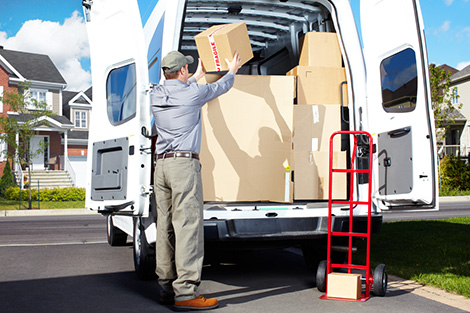
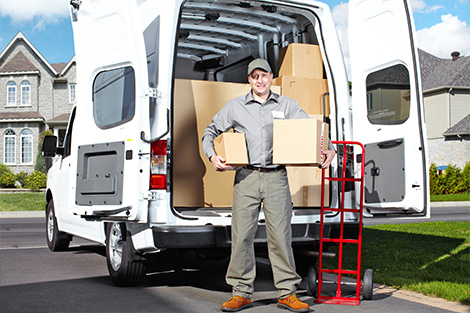
Think about what happens in a typical move: the van arrives, but it cannot sit right outside for long; a delivery trolley is missing; one sofa needs to turn through a landing with barely enough clearance; and everyone starts doing that quiet little shuffle that means, "This is taking longer than expected." It happens all the time. Good advice helps you avoid that scramble.
The other reason it matters is rhythm. Moves work best when the van, the property, and the team are all in sync. Once that rhythm breaks, the job costs more time and usually more money. If you are comparing service options, it can help to look at flexible moving support such as man and van services, more structured home moves, or broader house removalists support depending on the scale of your move.
Expert summary: last mile removals near a busy station are less about brute force and more about timing, access, packing order, and the right size vehicle. Get those right and the rest becomes far easier.
How Bayswater station last mile removals advice works
At its simplest, last mile removals means moving goods from the transport point to the final destination in the safest, most efficient way. Near Bayswater station, that usually involves a short but carefully managed route from van to building entrance, lift, stairwell, or storage space. The job may only take minutes in theory, but the practical details are what matter.
The process often starts before the van even arrives. A sensible removals plan will check where the vehicle can stop, how far items need to be carried, whether there is lift access, and whether anything awkward needs to be dismantled or wrapped. A good operator will also think about whether a larger moving truck is useful, or whether a smaller vehicle and a more agile setup would be better for local access.
Here is the simple logic:
- Map the exact access route from van to property.
- Identify barriers such as steps, narrow corridors, parking restrictions, or shared entrances.
- Sort items by priority so fragile or essential belongings come off first.
- Prepare protective materials for corners, floors, and furniture edges.
- Move in a sequence that reduces lifting, backtracking, and bottlenecks.
For many people, the last mile is where packing strategy meets real life. If you need help before moving day, a service like packing and unpacking services can make the handoff less chaotic. And if you are relocating office items rather than household goods, it is worth looking at commercial moves or office relocation services so the workflow matches the type of load.
Key benefits and practical advantages
Good last mile planning does more than save time. It reduces stress, protects belongings, and keeps everyone from becoming grumpy before lunchtime. Truth be told, a move can turn sour very quickly if people are walking in circles with a wardrobe door that will not fit through the hallway.
1. Fewer delays
When access has been thought through properly, unloading runs in a clean sequence. That matters near a station where timing often feels tight and the surrounding streets can be busy.
2. Lower risk of damage
Furniture scuffs usually happen at the handover point: doorway edges, stairs, pavement kerbs, and van ramps. Careful route planning and the right handling equipment make a real difference.
3. Better use of labour
Every unnecessary trip from van to door eats time. If items are organised well and the load plan makes sense, the crew can work steadily rather than rushing or doubling back.
4. Less disruption to neighbours and building users
That one is easy to overlook. In a shared building, keeping the moving process compact and orderly is simply more considerate. Nobody enjoys a corridor blocked by boxes while someone hunts for a lost kettle.
5. More control over specialist items
Appliances, bulky furniture, and disposal items need different handling. If your move includes a fridge, sofa, mattress, or similar item, it may be more efficient to pair the move with dedicated disposal or collection support such as fridge and appliance removal, mattress and sofa disposal, or furniture pick-up.
Who this is for and when it makes sense
This kind of advice is useful for anyone moving within walking distance of Bayswater station, or anywhere with similar access constraints. It is especially relevant if you are moving into a converted flat, a managed building, or a property with limited street stopping time. If the move involves stairs, shared entrances, or a mix of boxes and bulky items, you will benefit from planning the last mile carefully.
It also makes sense for people who are moving out under time pressure. Maybe you have a key handover deadline, maybe a landlord inspection is looming, or maybe you are trying to squeeze the move in between work calls. In those situations, small inefficiencies become huge annoyances. And yes, they somehow always show up at the worst moment.
Typical readers include:
- Tenants moving into or out of local flats
- Homeowners with limited access or narrow internal stairs
- Students with mixed-size loads and a tight budget
- Small businesses shifting stock, files, or equipment
- People who need a same-day or short-notice move
- Anyone disposing of old items while moving
If your move is more straightforward but still local, a man with van arrangement may suit. If you need something more structured, then a full vehicle and team approach through removal truck hire can be the smarter choice.
Step-by-step guidance
Here is a practical way to approach the last mile near Bayswater station without making the day harder than it needs to be.
Step 1: Walk the route before move day
If you can, visit the property and look at the exact path the items will take. Measure door widths, note stair turns, and check whether there is a lift or service entrance. You do not need a laser meter and a clipboard, but a quick walk-through helps more than people expect.
Step 2: Separate items by handling difficulty
Put fragile items, heavy items, and awkward shapes into different groups. A lamp, a mirror, a sofa arm, and a box of books should not all be handled as if they are the same kind of job.
Step 3: Choose the right transport setup
For smaller local moves, a flexible vehicle may be enough. Larger moves, or moves with bulkier furniture, may need a more substantial vehicle. A practical starting point is to compare man and van support with a larger moving truck option, then match the choice to access and load size rather than just price.
Step 4: Protect the property before unloading
Floors, bannisters, corners, and doorway frames are common damage points. Simple coverings, careful carrying angles, and a slow first run through the property save a lot of trouble.
Step 5: Load in the right order
Items needed first should be placed where they can be reached quickly. Heavy and bulky items should be secured so they do not shift during the run. Nobody wants to open a van and find a box of cutlery riding on top of a chest of drawers. That is not a fun surprise.
Step 6: Keep the final handoff focused
Once at the property, avoid cluttering the entrance. Set items down in the correct room, if possible, and keep walkways clear. The smoother the handoff, the easier unpacking becomes.
Step 7: Deal with unwanted items separately
Do not let old furniture, broken appliances, or waste materials become an afterthought. If they need collecting, plan that in advance. For certain items, specialist disposal pages such as hazardous waste disposal and recycling and sustainability are worth reviewing before move day.
Expert tips for better results
These are the small things that tend to separate a tidy move from a messy one.
- Book the stop or access window as early as possible. Even a good plan can wobble if the vehicle has nowhere sensible to pause.
- Use colour-coded room labels. It sounds a bit extra, maybe, but it genuinely speeds up unloading.
- Keep a first-night box separate. Kettle, charger, toiletries, meds, a change of clothes. The usual lifesavers.
- Wrap corners before the van arrives. It is much easier to prep than to apologise later for a chipped table edge.
- Check building rules in advance. Some blocks have moving windows or entry rules that can affect timing.
- Plan for weather. A damp staircase or wet pavement can change handling dramatically, especially on a grey London morning.
One useful trick is to think like a chess player rather than a sprinter. Where will the first three items land? What blocks the next move? What needs to happen before the sofa goes in? That mindset reduces chaos very quickly.
Practical rule of thumb: if a move depends on someone making a decision on the day, it is already too late. Decide the access plan, item priority, and disposal plan before the van turns up.
Common mistakes to avoid
Most last mile problems are preventable. The tricky part is that they often feel minor until they stack up.
Leaving access checks until the last minute
If you only discover a tight staircase or awkward corner on move day, everything slows down. It is one of the most common frustrations, and also one of the easiest to avoid.
Assuming the vehicle can stop anywhere
In busy London areas, that assumption can be expensive. Even short stops can be constrained, and a poor parking choice can add a lot of carry time.
Packing without thinking about unloading
A box packed neatly for storage is not always packed well for a last-mile move. If fragile items are buried under heavy ones, the unloading sequence becomes clumsy.
Mixing keepers and disposals
This one causes a surprising amount of confusion. A chair you want to keep should not sit beside one you want removed. Separate them clearly before collection day.
Forgetting specialist items
Fridges, sofas, mattresses, confidential paperwork, or anything difficult to recycle should be handled intentionally. If needed, look at services like confidential shredding for sensitive documents and what can go in a skip for general disposal guidance.
Trying to do too much in one trip
Sometimes people pack the van as if the laws of physics are negotiable. They are not. A second trip can be cheaper than damaged furniture and a strained back.
Tools, resources and recommendations
You do not need a warehouse full of equipment to make the last mile work well. You do need the right basics.
| Tool or resource | Why it helps | Best used for |
|---|---|---|
| Furniture blankets | Reduces scuffs and edge damage | Tables, wardrobes, headboards |
| Straps and ties | Stops shifting in transit | Mixed loads, stacked boxes |
| Labelled boxes | Makes unloading faster and cleaner | Rooms, priority items, fragile goods |
| Trolley or sack truck | Reduces repeated lifting | Heavy boxes, appliances, dense items |
| Door and floor protection | Limits accidental damage | Shared entrances, stairs, polished floors |
When a move includes a lot of furniture, it can be worth using a vehicle designed for heavier lifting and longer loads. In those cases, removal truck hire can be useful. If you are relocating a workplace rather than a home, the combination of commercial moves and office relocation services often gives a better outcome because business items need cleaner scheduling and better handling of files, screens, and furniture.
For people who would rather have help with the full process, a wider home moves service is often more sensible than trying to split the job across several ad hoc arrangements. That is especially true when the move date is fixed and the building access is a bit awkward. Which, near stations, is often the case.
Law, compliance, standards, and best practice
For removals near Bayswater station, compliance is usually less about paperwork for the sake of it and more about doing the job safely, respectfully, and in line with normal UK moving practice. The specific legal responsibilities can vary depending on the type of items being moved or disposed of, but a few common sense standards are worth following.
First, moving teams should work safely around people, property, and traffic. That includes sensible manual handling, sensible loading, and care around stairs and entrances. If your mover has a published health and safety policy and insurance and safety information, that is a good sign because it suggests the business takes risk management seriously.
Second, disposal should be handled responsibly. Some items should not simply be left by the curb or mixed in with general waste. If you have items that need special handling, separate them in advance and ask the mover how they will be managed. Reuse, recycling, and responsible disposal are part of good practice, not just a nice extra.
Third, customer information should be treated carefully. That matters if you are moving from an office or if papers, devices, or records are involved. It is also why practical business policies such as payment and security, terms and conditions, and clear booking information help build trust.
Finally, the best providers are transparent. They explain what is included, what is not, how access affects the job, and how any disposal or specialist handling will be approached. That kind of clarity saves everyone a headache.
Options, methods, or comparison table
If you are choosing how to handle a last mile move near Bayswater station, the right option depends on load size, access, urgency, and how much help you need at the property. Here is a straightforward comparison.
| Option | Best for | Strengths | Trade-offs |
|---|---|---|---|
| Man and van | Smaller local moves | Flexible, practical, often quick to arrange | Less ideal for very bulky or complex loads |
| Removal truck hire | Medium to larger household moves | More capacity, better for bigger loads | Can be less agile where access is tight |
| Full home move support | Complete household relocations | More structured, less stress on the day | Usually a bigger commitment than a small local job |
| Commercial or office relocation | Business moves | Better suited to files, equipment, and time-critical handovers | Needs stronger planning and clearer scheduling |
There is no single "best" choice. A short move of a studio flat with two bookcases and a bike does not need the same approach as a full family relocation. If the move includes a mix of furniture and unwanted items, combining transport with furniture pick-up or disposal support can simplify the day quite a lot.
Case study or real-world example
Here is a realistic example. A tenant moving from a top-floor flat near Bayswater station has a sofa, a bed frame, six boxes of books, a TV, and a broken bedside table that is not coming with them. At first glance, this looks simple enough. One van, a couple of hours, done.
But then the details appear. The lift is small. The stairwell turns sharply on the second floor. The roadside stop is short. And the sofa, as sofas do, becomes much less cooperative once it is halfway through a doorway.
What helped most in that situation was not speed. It was sequencing. The fragile items were separated first, the sofa was wrapped before anything else moved, the broken table was scheduled for disposal rather than left as an afterthought, and the final room order was decided in advance. The result was a move that felt controlled rather than frantic. Not glamorous, no. But far less stressful.
That same approach works for small office moves too. A few labelled crates, a clear plan for screens and paperwork, and a proper unloading sequence make the difference between a decent handover and a day full of unnecessary backtracking.
Practical checklist
Use this before the van arrives. It is simple, but it covers the things people often forget in the rush.
- Confirm the access route from vehicle to entrance
- Check parking or stopping options near the property
- Measure tight doors, stairs, or lift openings if needed
- Separate keep, move, recycle, and dispose items
- Label boxes by room and priority
- Wrap fragile corners and furniture edges
- Prepare floor protection for entrances and stairwells
- Keep essentials in a separate first-night bag
- Confirm timing with anyone else involved in the move
- Review specialist disposal needs in advance
- Have payment, contact details, and any building instructions ready
If you want a cleaner, less hurried process, it is also worth checking the provider's practical pages before you book. Pricing and quotes can help set expectations, and book online is useful when you already know the move window and want to lock it in.
Get a free quote today and see how much you can save.
Conclusion
Bayswater station last mile removals advice is really about making the final stage of a move behave properly. It is the bit where access, timing, packaging, and handling all meet. Get those pieces aligned and the move feels calm. Ignore them and even a small job can turn into a long afternoon of awkward lifting and quiet regret.
The smartest approach is simple: plan the route, choose the right vehicle, separate fragile and unwanted items early, and keep the unloading sequence tight. That is how you protect your belongings and your sanity at the same time. And honestly, on moving day, that counts for a lot.
If you are still weighing up whether you need a small local setup or a more complete service, start with the size of the load and the realities of the property rather than the guess in your head. That usually gets you closer to the right answer. A bit of planning now saves a lot of faff later.
And when the final box is in place and the door finally closes, there is always that nice little moment of relief. The kettle goes on, the noise settles, and the whole thing suddenly feels possible.
Frequently Asked Questions
What does Bayswater station last mile removals advice actually mean?
It means practical guidance for the final part of a move around Bayswater station, where items travel from the van to the property. This includes access, handling, parking, and unloading strategy.
Why is the last mile such a big deal in removals?
Because most delays and damage happen at the point where items are carried through entrances, stairwells, lifts, and tight spaces. The last short distance often creates the biggest practical problems.
Is a man and van service enough for a move near Bayswater station?
Sometimes, yes. It works well for smaller local moves. If the load is bulky, there are many stairs, or the access is awkward, a larger setup may be more suitable.
Should I choose a moving truck or a smaller vehicle?
Choose based on the load and the access route, not just on cost. A bigger truck can be useful for volume, but a smaller, more flexible vehicle may be easier near tight streets or limited stopping areas.
How do I avoid damage during the final carry from van to door?
Use protective wrapping, carry items in the right order, protect floors and corners, and make sure everyone knows where the item is going before they lift it. Slow is often safer than fast.
What should I do with furniture I do not want to keep?
Separate it before moving day and arrange disposal or collection in advance. For suitable items, services such as furniture pick-up or mattress and sofa disposal can be helpful.
Can I mix disposal items with the rest of my move?
You can, but it is usually better not to. Mixing keep items and disposal items creates confusion and slows the handoff. Separate them clearly if you want a cleaner moving day.
Do I need packing help for a short local move?
Not always, but it can be useful if you have fragile items, a lot of room changes, or little time. Packing support is especially handy when the move needs to happen quickly.
What if the building has a small lift or lots of stairs?
Then route planning becomes even more important. Measure carefully, avoid overpacking boxes, and think about whether a different vehicle or a more experienced team would make the move easier.
How far in advance should I plan a move near Bayswater station?
As early as you can. Even for a modest move, the access details, timing window, and disposal decisions are easier when you do not leave them to the last minute.
Are there compliance issues I should think about?
Yes, mainly around safe handling, responsible disposal, and clear booking terms. If confidential items, appliances, or waste materials are involved, it is wise to check how they will be handled before the day arrives.
What is the most common mistake people make with last mile removals?
Assuming the move will run smoothly without checking the access route properly. In reality, the small things-parking, stair turns, narrow entrances-are often what slow everything down.
If you want help with a local move, a heavier load, or a mixed removal and disposal job, it is sensible to compare your options early and choose the setup that suits the property rather than forcing the wrong one. That is usually the difference between a stressful day and a tidy one.